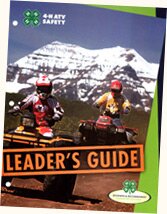

ATVs are popular among youth and adults for recreation and for utility use. They can be useful for work and fun to ride, but they can also be dangerous if the rider doesn’t operate the ATV safely. Understanding the right way to safely ride the right-sized ATV for you is important before you ride. This website is a place where you can learn about ATVs, watch videos about ATVs, find out what size ATV you should ride, and play games and take quizzes to help you find out how much you know about ATV safety.
 The ATV Safety Institute (ASI) offers three age specific e-learning courses to address basic ATV safety principles. Adults, teens and children learn how to apply the "golden rules" of ATV riding in an interactive setting. After taking the course, users can take an ATV safety exam and receive a certificate of completion. Enroll Now! ›
In a forgotten land the minions of evil have returned once again.
See more games and quizzes! ›Videos
Brothers Kyle Massey (star of Disney’s “Cory in the House”) and Chris Massey (star of Nickelodeon’s “Zoey 101”) are longtime ATV riders! Along with their mom they bring tremendous energy and great humor to the serious topic of ATV Safety.
View Videos ›
Resources and Documents
This website has information and fun for everyone interested in learning about ATV safety. Play the Tread-Sylvania game while learning key tips on riding safely. Additional games and quizzes are fun for younger youth. Visit the ATV Safety Institute’s on-line E-Course and receive a certificate for completing the class.
The lead provisions of the Consumer Product Safety Improvement Act (CPSIA) affecting youth model ATVs for ages 12 and under was lifted in August, 2011. Youth ATV models are available once again. Be sure that all youth 16 and under operate and ride the appropriate sized ATV. Follow the warning label on the ATV. This site provides links to State and National resource sites to find out about state and national laws, and other resources.
View Resource ›
News
Tennessee 4-H is teaching young people how to ride ATVs safely
Through a grant provided by National 4-H Council and the ATV Safety Institute, 4-H staff are becoming ASI ATV Safety instructors and are teaching the 4-hour hands-on RiderCourse.
Check out their news video.
Tennessee 4-H Partners with The Monroe Carell Jr. Children's Hospital
Tennessee 4-H Youth Development Program is partnering with the The Monroe Carell Jr. Children's Hospital at Vanderbilt to promote ATV safety.
Read the Article
"Do the Ride Thing"
IRVINE, Calif., June 1, 2012 – With the busy summer riding season upon us, the ATV Safety Institute, the Right Rider Access Fund and the Motorcycle Safety Foundation DirtBike School encourage kids to enter the “Do the Ride Thing” Video Contest. The contest, in its third year, runs June 1 to August 15, 2012 and offers 19 prizes totaling $8,500. Students ages 6 to 18 may enter. The winning videos will be used as public service announcements (PSAs).